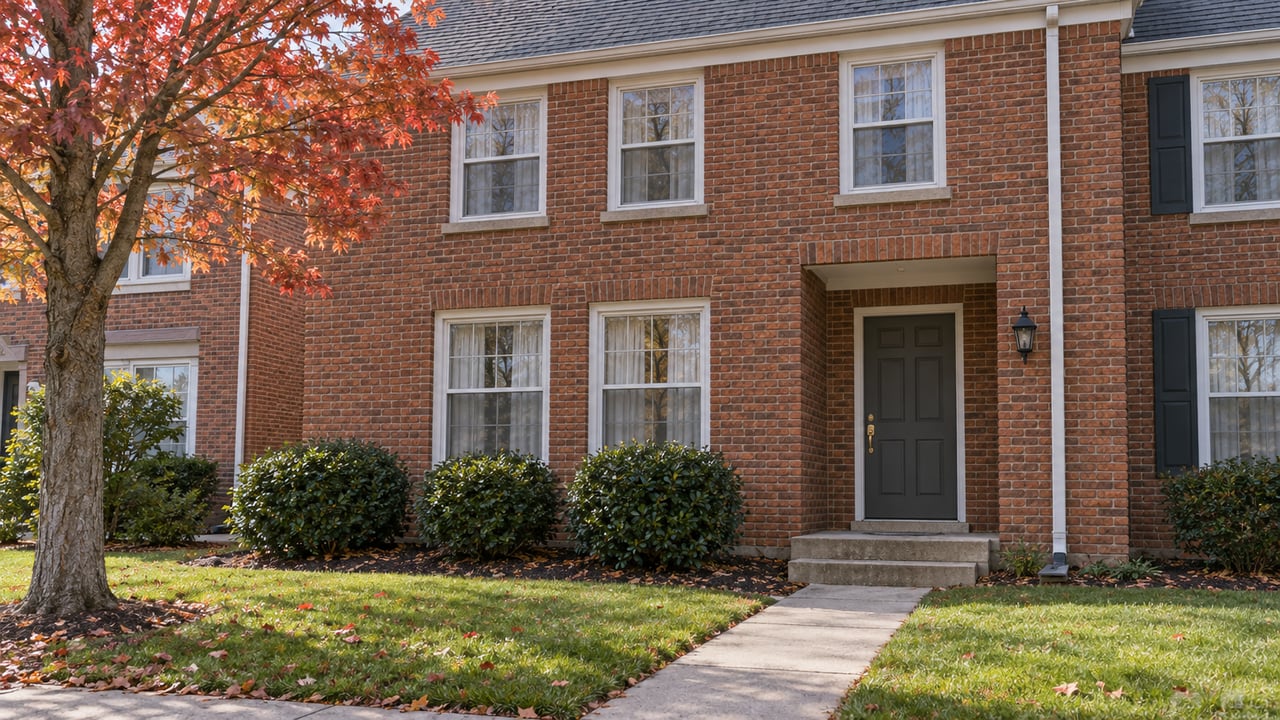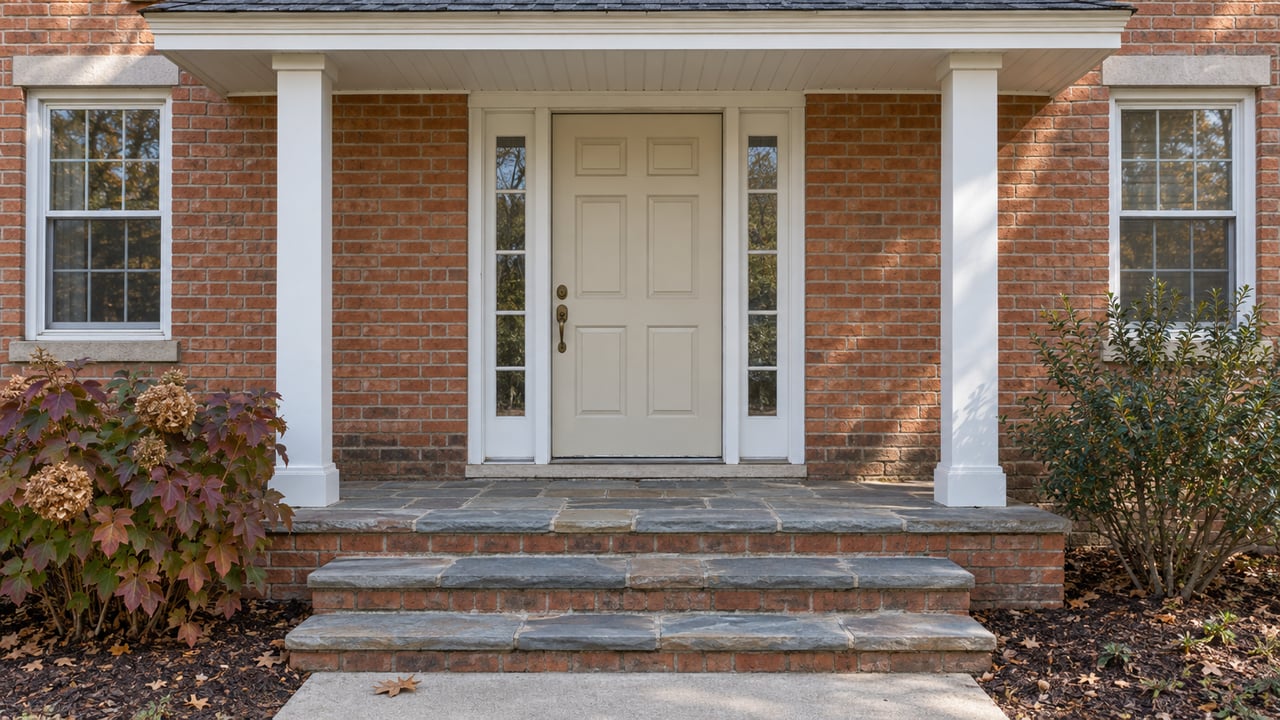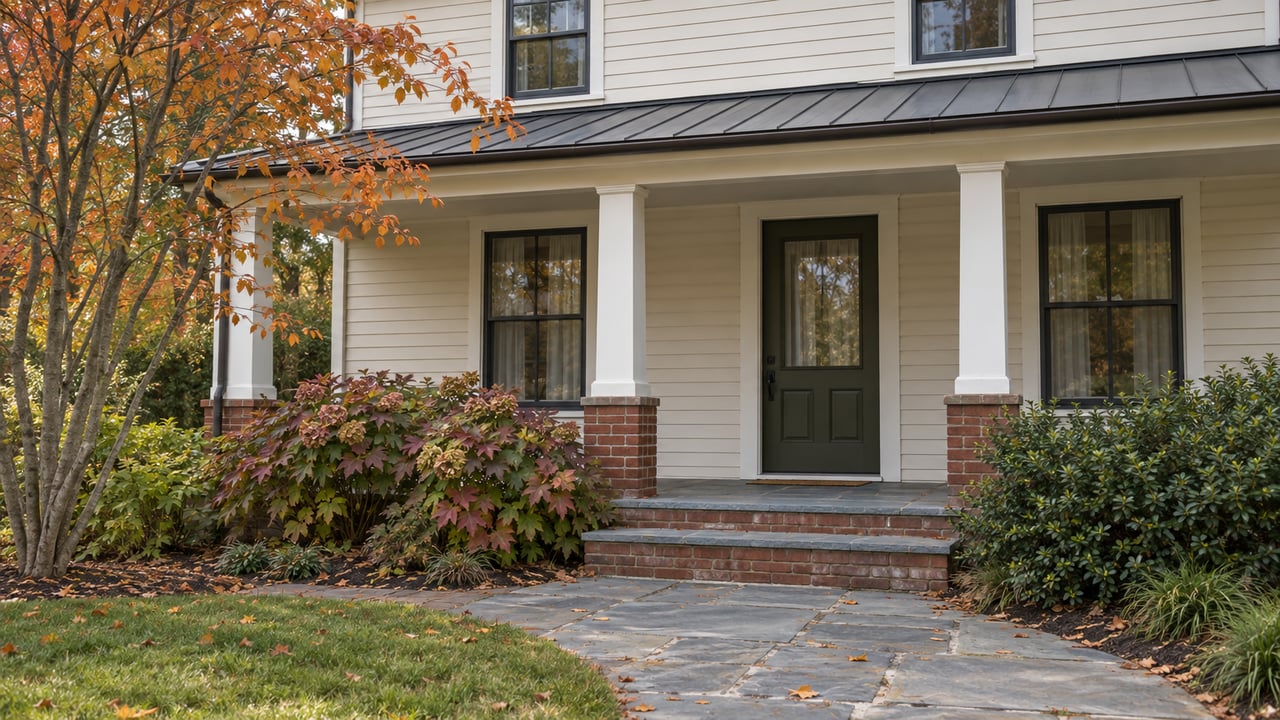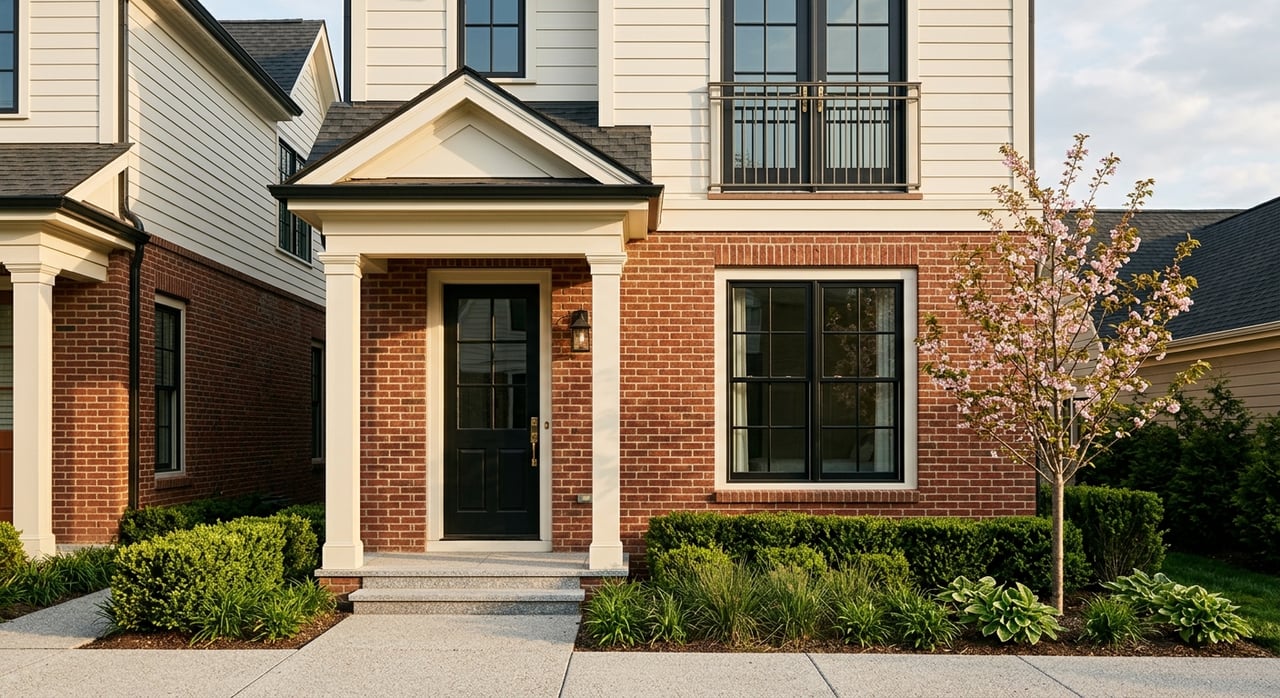
Ready for a brand-new home in Cockeysville? The exciting part is easy to picture: fresh finishes, modern layouts, and less immediate maintenance. The harder part is knowing what you are really buying, what the contract actually says, and which costs may show up beyond the base price. This guide walks you through how new construction works in Cockeysville, what to compare before you sign, and how to protect your interests from your first model-home visit to closing day. Let’s dive in.
New construction in Cockeysville can mean different things
If you are shopping for new construction in Cockeysville, you will quickly see that not all “new homes” are the same product. In the local market, options can include lower-maintenance townhomes in wooded settings and larger single-family homes on more spacious lots.
That matters because price comparisons only help when you are comparing the same type of home. A near-finished spec home, a to-be-built home, and a more semi-custom build can each come with a very different timeline, level of personalization, and budget structure.
Compare product type before price
In Cockeysville and the surrounding Hunt Valley area, one community may emphasize townhome living with features like garage parking, outdoor living, and included lawn care. Another listing may center on a larger wooded homesite with no HOA and more land.
Before focusing on headline pricing, ask yourself what kind of lifestyle and ownership experience you want. A townhome with exterior maintenance support is different from a detached home on over an acre, even if both are brand-new.
Start with the lot, not just the floor plan
It is easy to fall in love with a model home kitchen or a dramatic two-story foyer. But in new construction, the lot is part of the product too.
Local examples in Cockeysville show how much the homesite can shape the value of the purchase. Some properties emphasize a private wooded enclave, while others are marketed around larger wooded lots with more separation from neighbors.
Questions to ask about the lot
Before you move forward, ask the builder or sales team:
- How much privacy is already reflected in this lot’s price?
- Are there lot premiums?
- What is known about grading and drainage?
- What development could happen around the property later?
- What outdoor features are included versus optional?
These questions can help you understand whether you are paying for location, layout, privacy, convenience, or future flexibility.
Know the difference between spec and custom
Many buyers assume new construction means full design freedom. In reality, builders often offer a range of choices depending on the stage of construction and the type of home.
A spec home is typically built with most selections already chosen by the builder. A more customizable or semi-custom home may allow you to choose finishes and some design details, but major layout changes are often limited once construction is underway.
What this means for your decisions
If you want the fastest timeline, a quick move-in home may be attractive because many choices are already made. If you care more about selecting finishes or tailoring the home to your preferences, you may need to start earlier and accept a longer build timeline.
The key is to ask upfront what can actually be changed, when deadlines for selections apply, and what happens if you request changes late in the process.
Understand Maryland builder contract rules
In Maryland, home builder contracts come with specific requirements that buyers should know before signing. Builders and sales entities must be registered before entering into new-home contracts.
The builder must also provide the state consumer information pamphlet before the contract is signed. Contracts must include the builder’s registration number, a statement that the home will be built to applicable codes, and the performance standards that govern the home.
Review deposit protections carefully
Maryland generally requires buyer deposits to be held in escrow unless the builder has a surety bond or an irrevocable letter of credit on file with the state. The builder must disclose which form of protection is being used.
That is an important detail, especially when your deposit is substantial. You should know where the money is being held and what protections apply if a project does not move forward as expected.
Read the warranty language closely
Warranty coverage can vary, and the written contract is the key source to review. Maryland’s consumer booklet states that if a builder offers a third-party home warranty plan, state law requires at least:
- 1 year for materials and workmanship
- 2 years for systems
- 5 years for structural elements
Some builders may offer different or additional coverage terms, so you should read every warranty section carefully. Maryland’s consumer guidance also advises buyers to consider an attorney before agreeing to any warranty waiver or exclusion.
Budget beyond the base price
One of the biggest surprises in new construction is how quickly the total cost can rise above the advertised starting price. The base price is often only the beginning.
Common added costs can include lot premiums, upgraded finishes, appliances, landscaping, fences, and window treatments. Even when the home itself is complete, move-in-ready living may require more spending than you expected.
Costs to ask about early
Ask for a clear breakdown of what is included and what costs extra. Focus on items like:
- Appliance packages
- Flooring and countertop upgrades
- Lighting and fixture selections
- Landscaping
- Decks, patios, or outdoor living features
- Fencing
- Window treatments
- Closing cost incentives or lender credits
Builder incentives can also affect your bottom line. Rate buydowns, rate locks, and cash toward closing costs may be available, but you will want to confirm that any upgrades still fit comfortably within your monthly payment and appraisal range.
Be realistic about timing
New construction timelines can vary sharply based on the type of home you choose. A build-from-scratch home may take around 6.5 months on average, while a quick move-in spec home may close in roughly 30 to 90 days.
Even then, timelines can shift. Permitting, weather, inspections, and change orders can all cause delays.
Build extra flexibility into your plans
If you need to coordinate a lease ending, a home sale, or a relocation schedule, leave room for uncertainty. A builder’s projected completion date is helpful, but it is not the same as a guaranteed closing date.
This is especially important if you are selling one home while buying another. Your timing strategy should account for possible construction delays so you are not forced into rushed decisions.
Confirm what Baltimore County requires
For new residential dwellings in Baltimore County, a building permit is required. New residential development may also be subject to a development impact fee, and the county performs required inspections on new residential projects.
That does not mean every fee will land directly on you as a buyer, but it does mean you should ask what the builder has already included in the contract price and what fees could still be added later.
Ask for clarity on fees and approvals
Before signing, ask:
- Which permits are already accounted for?
- Are any county-related fees passed through to the buyer?
- What inspections are required before closing?
- Are there any unfinished site or community items that will be completed later?
Clear answers now can prevent confusion near closing.
Bring your own representation from day one
When you visit a new construction community, the on-site sales representative works for the builder, not for you. That does not mean the sales rep is unhelpful, but their role is to represent the builder’s interests.
That is why it is smart to bring your own buyer’s agent to the very first visit. Some builders require your agent to be registered on your initial visit, so waiting too long can create problems.
Why this matters in practice
Your own representation can help you compare communities, review contract terms, track upgrade costs, and keep the process aligned with your goals. It also gives you someone in your corner when questions come up about timing, inspections, or punch-list items.
In a market like Cockeysville, where product types can vary a lot from one new construction option to another, having guidance early can save you time and stress.
Do not skip third-party inspections
A brand-new home is still a major construction project with many moving parts. Even with builder warranties and required county inspections, a third-party inspection can still be valuable.
Some issues are only visible at certain stages of construction. That is why phase inspections can matter.
Helpful inspection points to consider
Buyers may want to consider inspections at these points:
- Foundation stage
- Pre-drywall stage
- Final punch-out before closing
These checkpoints can help catch problems while they are still easier to address. They can also give you more confidence in the finished product before you take ownership.
If issues come up after closing
If a defect appears after you move in, documentation matters. You should make requests in writing, keep copies of everything, and track each conversation and response.
Maryland’s consumer guidance also recommends writing to the builder promptly and following the warranty’s claim rules and deadlines closely. Good records can make a major difference if a repair dispute develops.
Maryland options if a dispute is not resolved
In some situations involving registered builders, Maryland’s Home Builder Guaranty Fund may help with issues such as unfinished construction, broken warranties, code-standard failures, and certain deposit problems. The fund is capped at $50,000 per claim against one builder and includes filing deadlines and process rules.
If a problem cannot be resolved directly, buyers may also have access to the Consumer Protection Division’s mediation or arbitration process, depending on the situation.
A smart buying strategy for Cockeysville new construction
Buying new construction in Cockeysville can be a great opportunity if you go in with a clear plan. The right home for you may be a low-maintenance townhome in a wooded setting or a larger detached home on a more expansive lot.
What matters most is understanding exactly what you are buying, what is included in the price, how the timeline works, and what protections you have under Maryland law. When you ask the right questions early, you put yourself in a stronger position from contract to closing.
If you are exploring new construction in Cockeysville and want a clear, informed buying strategy, connect with Travis Fogle for guidance tailored to your goals.
FAQs
What types of new construction homes are available in Cockeysville?
- In the current local market, new construction can include wooded townhomes with lower-maintenance features or larger single-family homes on spacious wooded lots. The product type can affect price, timeline, customization, and upkeep.
What should buyers ask about a Cockeysville new construction lot?
- You should ask about privacy, grading, drainage, lot premiums, outdoor features, and possible future development nearby. In new construction, the lot is a major part of the value.
What does Maryland require in a new home builder contract?
- Maryland requires builders and sales entities to be registered before entering into new-home contracts. The contract must include the builder’s registration number, code compliance language, and the governing performance standards, and the buyer must receive the state consumer information pamphlet before signing.
Are deposits protected when buying a new construction home in Maryland?
- Generally, yes. Maryland usually requires deposits to be held in escrow unless the builder has a surety bond or irrevocable letter of credit on file with the state, and the builder must disclose which protection is being used.
How long does it take to buy a new construction home in Cockeysville?
- Timing depends on the product type. A quick move-in spec home may close in about 30 to 90 days, while a build-from-scratch home may take around 6.5 months on average, with possible delays from permitting, weather, inspections, or change orders.
Should buyers get an inspection on a brand-new Cockeysville home?
- Yes, many buyers consider third-party inspections even on new homes. Phase inspections at the foundation and pre-drywall stages, plus a final punch-out inspection before closing, can help identify issues at the right time.