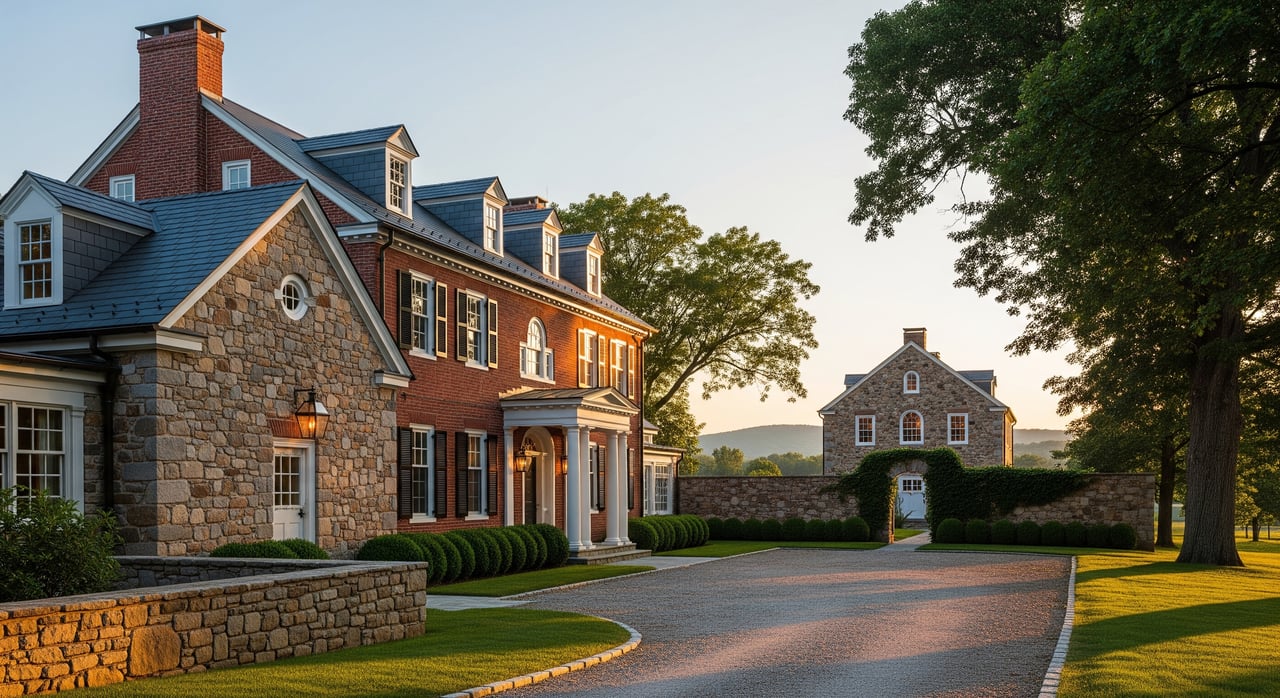
Thinking about a move that balances mountain views with a lively small-city vibe? If you want historic streets, outdoor escapes, and a reasonable reach to D.C. and Baltimore, Frederick County can check a lot of boxes. You might be weighing commute tradeoffs, school options, and where to find the right home style. This guide walks you through day-to-day life so you can picture yourself here and plan your next steps with confidence. Let’s dive in.
Frederick County at a glance
Frederick County sits in north-central Maryland, just northwest of the Washington–Baltimore corridor. You’ll find the City of Frederick at its heart along with small towns like Thurmont, Emmitsburg, Brunswick, Urbana, Middletown, and New Market, plus wide rural stretches near the Catoctin Mountains. The county counted about 271,700 residents in the 2020 Census.
The local economy blends government and defense, healthcare, education, biotech, and professional services. Fort Detrick anchors a major federal and biomedical presence. Frederick Health provides regional hospital care and clinics. Higher education includes Hood College, Frederick Community College, and Mount St. Mary’s University in Emmitsburg. Many residents also commute to Montgomery County and the broader D.C. metro.
Neighborhood styles and homes
You have a broad range of neighborhood experiences across the county. Your search can be as urban, suburban, or rural as you want.
Historic Downtown Frederick
If you love walkable streets and character homes, downtown Frederick is a standout. You’ll see 18th–19th century rowhouses and Federal or Victorian architecture, with dining, galleries, and events centered along Carroll Creek Park. It’s lively on weekends and offers a strong sense of place.
Suburban corridors like Urbana
Closer to I-270 and Route 15, you’ll find master-planned communities with modern amenities. Areas such as Urbana and Monocacy/Wood feature newer single-family homes, townhomes, pools, playgrounds, and trails. Inner-ring neighborhoods in and around the City of Frederick and Ballenger Creek offer mid‑century to 1990s homes with mature trees and modest yards.
Small towns and rural life
Towns like Middletown, New Market, Brunswick, and Thurmont offer small-town main streets with easy access to parks and trails. If you want land or space for hobbies, western and northern parts of the county open up to farms, equestrian properties, and mountain-adjacent homes.
Housing choices and pricing feel
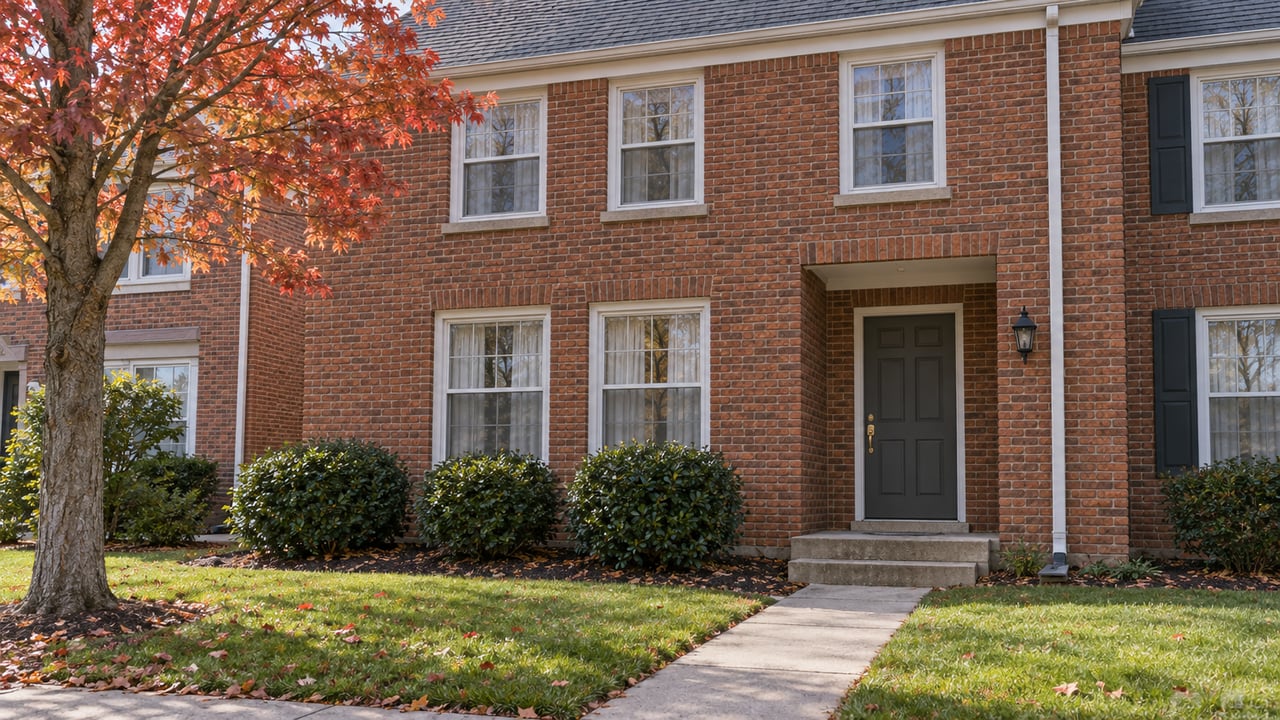
You can choose from historic rowhouses, suburban colonials and craftsman-style homes, townhomes and duplexes, and rural estates. New construction continues in growth areas near major corridors. Pricing varies widely by neighborhood and home type. Historic and close-in areas tend to carry a higher price per square foot for location and character, while larger homes in newer subdivisions can be higher in total price due to size and amenities. County values often run above the national median given proximity to the D.C./Baltimore job markets and are sensitive to interest rates and inventory. For current medians and trends, review recent local sales and active listings before you tour.
Schools and education
Frederick County Public Schools (FCPS) serves the county with elementary, middle, and high schools. You’ll also find private and faith-based options, plus some charter choices. Higher education includes Hood College and Frederick Community College in the City of Frederick, along with Mount St. Mary’s University in Emmitsburg.
School boundaries can shift over time. If schools matter in your search, review FCPS attendance maps and the Maryland State Department of Education report cards, and verify any boundary questions with the district during your offer process.
Commuting and getting around
Most people here drive. Major routes include I-270 toward Montgomery County and D.C., US‑15 north–south, and I‑70 east–west. Peak travel on I‑270 can be congested, so plan departure times accordingly.
Transit choices exist and can work well for some routines. The county operates local bus service through its transit system, and commuter buses connect park‑and‑ride lots with employment centers in Montgomery County and D.C. The MARC Brunswick Line serves stations within or near the county, including Point of Rocks and Brunswick. Many commuters combine driving with rail or express bus to balance time and cost. If you plan to commute, time a test run during rush hour to see real travel times.
Healthcare and daily services
Frederick Health is the primary regional system, with a hospital in the City of Frederick and outpatient clinics across the county. Daily needs are easy to cover with grocery stores, farmers markets, and retail along Route 40, Route 85, and interchanges near I‑70 and I‑270. You’ll also find a growing network of local home services for maintenance and renovation.
Work and local economy
Employment spans government and defense, healthcare, education, retail, professional services, and a growing biotech and research scene. Fort Detrick and associated contractors provide a distinctive federal and biomedical footprint. Many residents work locally, while others commute to Montgomery County, Howard County, or downtown D.C.
Outdoor life and recreation
If you recharge outside, you’ll have plenty to explore within a short drive. Catoctin Mountain Park and Cunningham Falls State Park offer hiking, waterfalls, and summer swimming spots. Gambrill State Park is a favorite for ridge-top trails and overlooks. Along the Potomac, you can access the C&O Canal towpath and river recreation. Closer to town, Carroll Creek Park and Baker Park host trails, playgrounds, and community events.
Agritourism is part of the local rhythm. You can spend weekends at orchards and farm stands, sample wineries and breweries, and join seasonal festivals. Boating and fishing options dot the Monocacy River and Potomac access points.
Arts, dining and events
Downtown Frederick has a lively food and arts scene. The Weinberg Center for the Arts brings concerts and performances, the Delaplaine Arts Center runs classes and exhibits, and galleries and boutiques line the historic streets. Breweries, distilleries, and farm‑to‑table restaurants have expanded in recent years. Many residents plan weekends around First Saturday events and seasonal markets along Carroll Creek.
Pros and cons to weigh
Pros:
- Mix of historic small-city life, suburban convenience, and rural calm.
- Strong access to parks, trails, and mountain scenery.
- Diverse housing types, from downtown rowhouses to new-build communities.
- Local job base in healthcare, education, and biotech, with federal anchors.
Cons:
- Peak congestion on I‑270 and some commuter corridors.
- Public transit is more limited than inner-ring D.C. suburbs.
- Prices vary widely by neighborhood and can trend with regional inventory.
Relocation checklist
Use this quick list to reduce surprises during your move:
- Housing data: Pull recent MLS activity and county-assessor verified sales for your target neighborhoods.
- School boundaries: Verify FCPS attendance zones and review current state report cards.
- Property costs: Confirm county tax rates, HOA fees, and any special tax districts for subdivisions.
- Commute trial: Drive to your workplace during peak hours. Map park‑and‑ride lots and commuter bus or MARC schedules.
- Utilities: Check internet providers and speeds. For rural properties, confirm well and septic details and any required inspections.
- Zoning and growth: Review county planning maps for future development near your short list.
Who Frederick County fits
Best for: You want suburban amenities with access to mountain parks and a historic downtown. You work in local health, education, government, or biotech, or you can commute toward Montgomery County and D.C. You appreciate a mix of new communities and older character homes.
May be less suited for: You require frequent, car-free rail to central D.C. without using express buses or park‑and‑ride options. You prefer an ultra-urban environment with dense transit.
Next steps and local guidance
If Frederick County matches your lifestyle, start by narrowing neighborhoods around your commute, school, and home-style goals. Then compare recent sales on your short list and tour at different times of day to gauge traffic and activity. When you are ready to move, you want a team that markets your home’s story or sources the right property fast.
We combine boutique, founder-led service with a digital marketing engine built for results. From same-day valuations and listing appointments to elevated media and curated neighborhood storytelling, we help you move with clarity and speed. Have questions about a specific neighborhood, commute plan, or pricing strategy? Connect with Travis Fogle to discuss your goals and Get My Valuation.
FAQs
What is daily life like in Frederick County?
- You’ll find a blend of historic downtown energy, suburban convenience, and easy access to mountain parks, with most daily errands handled along major corridors near the City of Frederick.
How long is the commute to D.C. or Montgomery County?
- Drive times vary with I‑270 congestion, so plan a rush-hour test run; many commuters mix driving with express buses or the MARC Brunswick Line from nearby stations.
What housing styles are common in Frederick County?
- Options range from downtown rowhouses and historic homes to suburban single-family houses, townhomes in master-planned communities, and rural properties with acreage.
How are schools organized in Frederick County?
- Frederick County Public Schools serves most addresses, with private and faith-based options also available; always verify attendance boundaries and review current state report cards.
What outdoor activities are nearby?
- Within 20–30 minutes, you can hike at Catoctin Mountain Park, Cunningham Falls, and Gambrill State Park, explore Monocacy National Battlefield, and enjoy Carroll Creek Park downtown.
Are there local jobs in healthcare or biotech?
- Yes, Fort Detrick and affiliated contractors support a federal and biomedical cluster, and Frederick Health and local colleges contribute to healthcare and education employment.