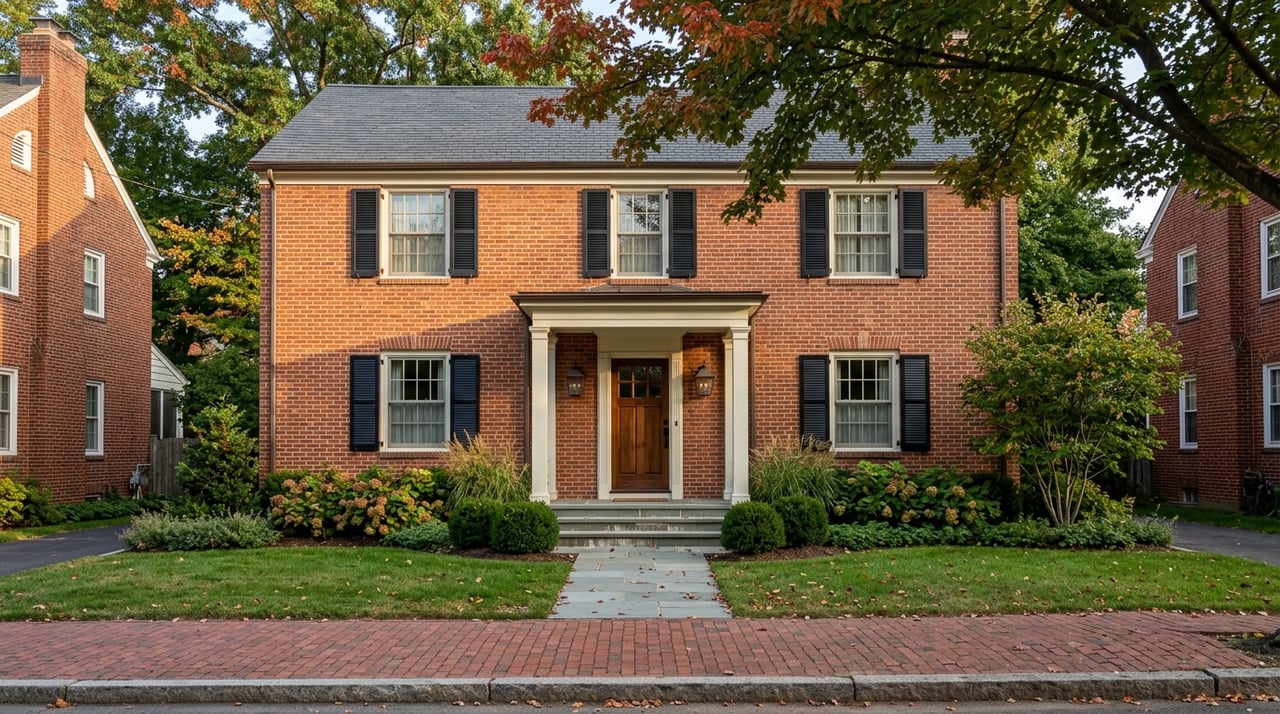
If you picture Frederick County as one kind of place, you will probably miss what makes it appealing. Daily life here is shaped by historic downtown blocks, quieter small towns, open countryside, and practical commuter connections that make the county feel both rooted and flexible. If you are trying to understand what it is really like to live in Frederick County’s historic towns, this guide will walk you through the pace, setting, and personality of each. Let’s dive in.
Why Frederick County Feels Distinct
Frederick County offers a blend that can be hard to find in one place. It had an estimated 2024 population of 299,317 and covers 660.59 square miles, so the county experience can shift quickly from walkable historic streets to mountain views and farmland.
That variety shapes everyday life. Countywide, median household income was $122,002, owner-occupied housing was 77.0 percent, median owner-occupied home value was $437,700, and the mean travel time to work was 33.1 minutes. In practical terms, you get a market where historic charm and modern routines often exist side by side.
Frederick County includes 12 municipalities, 5 Maryland designated Main Street communities, and 1 Main Street affiliate. That matters because social life, errands, dining, and weekend plans are spread across several town centers rather than concentrated in only one downtown.
What Daily Life Looks Like
Downtown Frederick
Downtown Frederick is the county’s most urban-feeling historic area. It is known for a walkable setting filled with shops, restaurants, galleries, public art, entertainment venues, and historic architecture.
Patrick Street runs through a roughly 50-block historic district, giving the area a strong sense of place for daily routines. You can grab coffee, meet friends for dinner, browse local shops, and still feel connected to the city’s historic backdrop.
Carroll Creek Park adds another layer to everyday life. The 1.5-mile park runs through the center of downtown and connects outdoor dining, public art, live music, and festivals in a way that keeps the area active beyond basic errands.
Baker Park is another major anchor. With 58 acres, jogging and bike paths, playgrounds, a lake, concerts, and annual celebrations, it gives downtown residents an easy way to mix city energy with open green space.
Brunswick
Brunswick feels different in a good way. Its identity is closely tied to the C&O Canal and railroad history, which gives the town a more outdoors-oriented rhythm.
The Main Street area combines walkability with local shopping and dining. The town is noted for features like a craft brewery, locally sourced burgers, a church-turned-cafe, a cigar lounge, and vintage and antique finds.
If you want daily life to include time near the water, Brunswick stands out. Access to the canal towpath and Potomac River helps make active routines feel natural here, whether that means walking, biking, or simply spending more time outside.
Middletown
Middletown has a scenic valley setting between the Catoctin and South Mountain ranges. That landscape gives the town a quieter, more picturesque everyday feel.
The town is known for historic Victorian architecture, independent shops, and local restaurants. In Middletown, historic character is not separated from everyday life. It is part of regular errands, casual dining, and community events downtown.
The annual Heritage Festival reinforces that sense of place. Even if you are not thinking about festivals every week, the downtown setting reflects a community rhythm built around a recognizable historic core.
Thurmont
Thurmont brings together small-town Main Street life and easy access to mountain recreation. It is known for family-owned restaurants, specialty shops, and a setting near Catoctin Mountain Park and Cunningham Falls State Park.
That means day-to-day life can feel less centered on downtown bustle and more connected to trails, scenic drives, and outdoor time. If you want a town with a foothill setting and a strong sense of local identity, Thurmont offers that mix.
The annual Catoctin Colorfest is one of the area’s better-known events, but the appeal goes beyond seasonal activity. The town’s everyday draw is the balance between local businesses and nearby natural spaces.
New Market
New Market is a classic National Road pike town with a very compact historic setting. Its single main street still retains much of its 19th-century appearance, which gives the town a clear sense of continuity.
For daily life, that translates into a quieter historic environment. You get small-town character, local dining, and access to the surrounding countryside without the busier feel of a larger downtown.
If you are drawn to a compact historic center, New Market is one of the clearest examples in the county. It feels smaller in scale but still connected to the wider Frederick County lifestyle.
Emmitsburg
Emmitsburg is one of the county’s quieter historic towns and tends to feel more residential in everyday life. It is known for history, mountain views, parks, trails, arts and antiques, museums, and notable civic and religious landmarks.
That gives Emmitsburg a strong identity without requiring a fast pace. For many people, the appeal is the calmer atmosphere combined with access to scenery and outdoor recreation.
It also helps illustrate an important point about Frederick County. Not every historic town here is trying to feel busy. Some offer a more low-key daily rhythm while still holding onto a clear historic character.
Main Streets Shape Social Life
One reason Frederick County’s historic towns feel livable is that they are not just preserved for visitors. Their downtowns still support the routines that shape daily life, from coffee stops and casual meals to community events and shopping.
Downtown Frederick is the county’s strongest example of this pattern. Its arts district includes more than 200 independently owned businesses, and the food scene spans brewpubs, Italian, barbecue, brunch, outdoor dining, and fine dining.
Carroll Creek helps tie those experiences together. Patios, breweries, public art, live music, and recurring events contribute to a setting where social life can feel active without needing a major trip or a complicated plan.
Across the county, the Main Street structure matters just as much. Frederick County’s social rhythm is distributed across several historic downtowns, each with its own personality, which gives you more than one way to plug into local life.
Outdoor Access Is Part of the Lifestyle
Frederick County’s historic towns are appealing partly because they are not isolated from nature. Scenic byways, rolling hills, mountain views, and nearby parks help make outdoor time part of regular life.
The Old Main Streets Scenic Byway highlights the county’s mix of rural farmland, historic small towns, and mountain landscapes. The Historic National Road also connects places like Frederick, Middletown, and New Market through a corridor shaped by long-standing travel and town development.
For recreation, residents have access to Catoctin Mountain Park, Cunningham Falls State Park, Gambrill State Park, and the C&O Canal towpath. Depending on where you live, that could mean anything from a quick park visit to a full day outdoors without going far.
This blend of historic town living and natural access is a big part of Frederick County’s appeal. You are not choosing between charm and breathing room. In many parts of the county, you get both.
Commuting Is More Practical Than You Might Expect
Historic towns can sometimes sound less convenient for regional commuters, but Frederick County has a stronger transportation network than many people assume. Major roadways including I-270, I-70, US 15, US 40, and US 340 converge in the county.
Public transportation adds another layer of flexibility. Frederick County Transit is free to ride and offers local shuttles, Meet-the-MARC service, and regional commute information.
Regional options matter too. MTA commuter bus routes 204 and 515 serve Frederick, and the MARC Brunswick Line includes stations such as Rockville and Silver Spring.
If you work beyond county lines, that can make historic-town living feel more realistic. You may still have a commute, but the available road and transit links expand your options.
Which Town Fits Your Routine Best?
The right fit often comes down to how you want your days to feel. Some buyers want walkability and a busier local scene, while others prefer a quieter town with a more residential pace.
If walkability is high on your list, Downtown Frederick and Brunswick are two of the strongest matches. If you want a lower-key setting, Emmitsburg and other smaller communities can offer a calmer daily rhythm.
You may also want to think about what anchors your routine. For some people, that is dining and events. For others, it is outdoor access, a compact Main Street, or a manageable path to commuting.
Frederick County works best when you look at town-by-town lifestyle, not just countywide averages. The differences are what give the area its depth.
If you are exploring Frederick County and want a clearer feel for which historic town matches your goals, Travis Fogle can help you compare the lifestyle, setting, and market nuances that matter most to your next move.
FAQs
Which Frederick County town feels most walkable?
- Downtown Frederick and Brunswick are two of the county’s most walkable historic-town options.
Which Frederick County towns feel quieter and more residential?
- Emmitsburg, Burkittsville, Rosemont, and other smaller communities outside the larger town centers tend to feel more low-key and residential.
Can you commute from Frederick County historic towns to other parts of the region?
- Yes. Major highways, Frederick County Transit, MTA commuter bus routes, and the MARC Brunswick Line help support regional commuting.
What makes Downtown Frederick different from the county’s smaller towns?
- Downtown Frederick has the county’s most urban-feeling historic core, with a larger walkable district, more independently owned businesses, and major gathering spaces like Carroll Creek Park and Baker Park.
Do Frederick County historic towns offer outdoor access?
- Yes. Residents can access places like Catoctin Mountain Park, Cunningham Falls State Park, Gambrill State Park, and the C&O Canal towpath, depending on the town.
Is Frederick County centered around one main downtown?
- No. The county’s social life and Main Street activity are spread across several historic towns, each with a distinct personality.