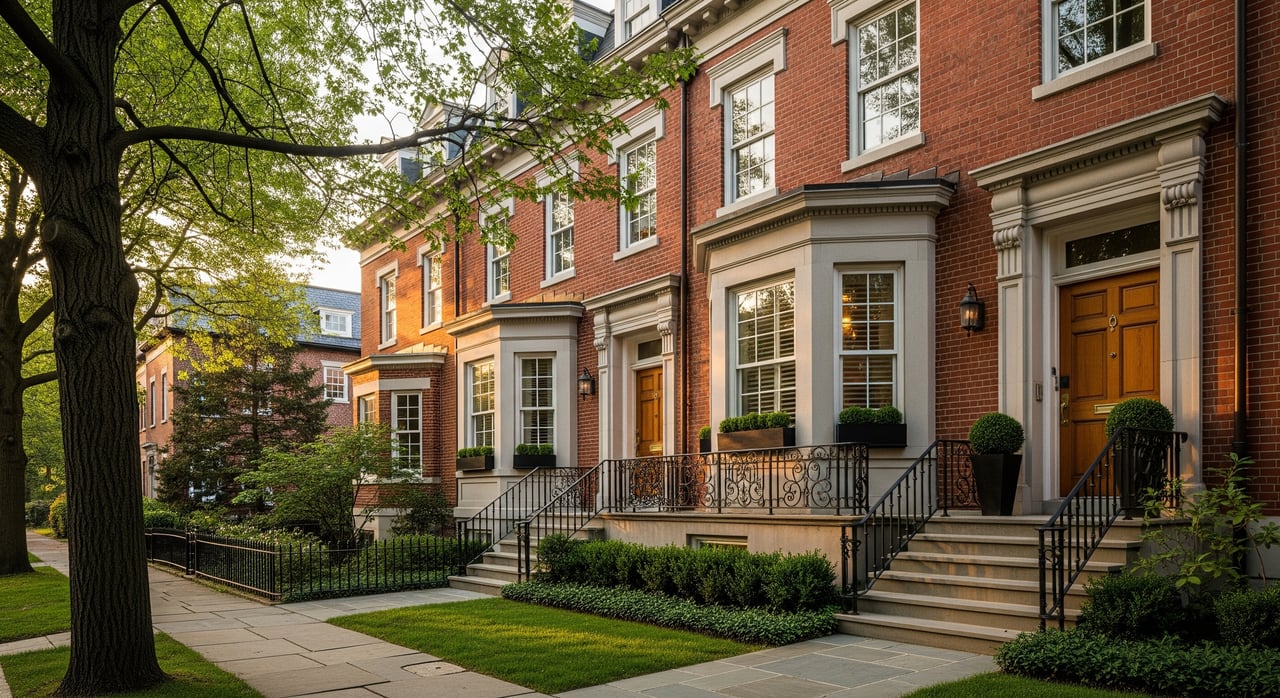
Wondering what it really costs to live in Towson? If you are planning a move for school, work, or a lifestyle change, getting your budget right upfront saves time and stress. This guide breaks down housing, utilities, transportation, and everyday expenses, then shows you how to pull accurate numbers for your exact address. You will leave with a clear checklist and links to reliable sources. Let’s dive in.
Towson cost snapshot
Towson blends suburban comfort with an active town center, including single-family homes, townhomes, condos, and mid- to high-rise apartments. Costs are broadly comparable to Maryland suburban averages, with some higher-price pockets near the downtown core. To frame your budget, check median income, median rent, and vacancy rates for Towson using the U.S. Census Bureau’s American Community Survey on data.census.gov. You can start with the Towson CDP profile on the U.S. Census site for a current baseline of local cost context.
- Reference: Review Towson’s ACS profile on the Census site using the Towson CDP profile on data.census.gov.
Housing costs in Towson
Buying: what drives price
Proximity to Baltimore City jobs, I‑695 and York Road/I‑83, and walkable amenities near the town center all influence home values. Prices vary by neighborhood and housing type, so compare recent sales by ZIP and property style. Budget for a down payment based on your loan type and for closing costs common in Maryland. Your monthly payment will reflect principal, interest, property taxes, homeowner’s insurance, and any HOA or condo dues.
Use this simple formula to estimate monthly housing cost:
- Mortgage principal and interest
- Plus property tax escrow
- Plus homeowner’s insurance
- Plus HOA/condo fees if applicable
- Plus average utilities
Tip: Confirm assessed value and appeal timelines through the Maryland Department of Assessments and Taxation to understand how taxes could change over time. You can begin research with the Maryland Department of Assessments and Taxation site.
Renting: unit types and timing
Towson’s rental stock includes studios and one-bedrooms near the core, larger apartments and townhomes beyond the downtown ring, and student and workforce housing close to university and commercial corridors. Lease turnover near transit and campus-adjacent areas can push seasonal rents higher. If you are flexible, widen your search area a few blocks from the core to find more options.
Property taxes and assessments
Baltimore County sets the property tax rate and periodically updates assessed value. Your annual bill equals assessed value multiplied by the county rate, plus any special assessments. Many buyers escrow property taxes into their monthly mortgage. For planning, review Baltimore County’s taxpayer services pages for current guidance and use your specific assessed value for accurate math.
- Reference: Start with Baltimore County government resources.
- Reference: Check assessed value and ownership history at the Maryland Department of Assessments and Taxation.
Condo fees and HOAs
Condo and HOA dues in Towson vary widely. Smaller, low-amenity buildings may be moderate, while mid- to high-rise buildings with elevators, gyms, on-site staff, or strong reserves tend to be higher. A practical planning range is often about 150 to 500 dollars per month or more depending on the building and services.
Typical dues may cover exterior maintenance, building insurance, landscaping, snow removal, trash, common-area utilities, elevator maintenance, reserve contributions, and sometimes water or bulk cable/internet. Always request the condo association budget, reserve study, meeting minutes, and any planned or pending special assessments before you finalize your numbers.
Utilities and home maintenance
Electricity and natural gas
Maryland residential electricity rates are in the mid-range nationally, and many Towson homes heat with natural gas. Bills swing by season: higher in winter for heating and moderate in summer with air conditioning use. To understand current rates and average bills, review the U.S. Energy Information Administration for statewide trends and check Baltimore Gas and Electric for local residential information.
- Reference: U.S. Energy Information Administration for electricity data.
- Reference: Baltimore Gas and Electric for local residential service information.
Older Towson homes may have higher baseline energy use due to original insulation, windows, or older HVAC equipment. Newer or renovated homes often benefit from tighter envelopes and modern systems, which can lower monthly costs and reduce near-term maintenance.
Water, sewer, and trash
Water and sewer billing can vary by property. In some condominiums, water, sewer, and trash are included in monthly dues. In single-family homes and many townhomes, you will receive separate utility bills. Check the seller’s last 12 months of bills to model your own usage, and confirm who provides service at the property.
Heating fuel choices
Gas-fired furnaces are common in Towson, though some older homes may use oil or electric baseboard. Heating fuel drives winter costs, so confirm the system type and age during inspection. Budget for annual HVAC service and set aside an emergency fund for repairs or replacements.
Internet, cable, and phone
Multiple providers serve Towson, but availability can vary by address and building. In some condo buildings, bulk contracts cover internet or cable. Verify provider choices by property and include your monthly plan in your budget.
Efficiency upgrades and incentives
If you are considering upgrades like insulation, windows, efficient HVAC, or heat pumps, explore statewide and utility incentives. You can review current Maryland Energy Administration programs, and check Baltimore Gas and Electric for additional rebates and home energy assessments. These programs can lower your monthly bills and improve comfort over time.
- Reference: Maryland Energy Administration programs.
- Reference: Baltimore Gas and Electric for energy incentives and assessments.
Transportation and commuting
Driving costs
Many Towson residents commute to Baltimore, Hunt Valley, Owings Mills, or downtown, with drive times that often range from about 20 to 40 minutes depending on destination and traffic. If you drive, plan for fuel, insurance, maintenance, parking, and registration. Use AAA’s regional fuel price tracker to estimate monthly gas costs based on your commute distance and vehicle efficiency.
- Reference: AAA regional gas price tracker.
Transit and alternatives
Towson is served by Maryland Transit Administration bus routes, and nearby connections provide access to Light Rail and MARC depending on your exact location. Transit can be cost-effective if you live near frequent service and can avoid a second vehicle. Review bus routes, schedules, and fare options on the Maryland Transit Administration site, and map your first/last mile to stops.
- Reference: Maryland Transit Administration routes, schedules, and fares.
Insurance and registration
Auto insurance premiums in Maryland trend above national averages and vary by neighborhood, vehicle, and coverage. Get quotes tied to specific addresses you are considering. For homeowners, confirm whether you need HO-6 coverage for a condo, and review the HOA master policy to avoid gaps.
Everyday expenses and smart budgeting
Groceries, healthcare, childcare, and fun
Most everyday costs track close to Maryland averages, though dining and entertainment near downtown Towson can be higher than rural areas. You will find national grocery chains and specialty stores, plus a range of casual and sit-down dining. Childcare can be a major budget line, so confirm waitlists and fees early.
Build a Towson budget step by step
Use this framework so you can plug in current numbers from the sources linked in this guide.
- Set your gross monthly income. A good reference point for the area is the ACS median income on the Towson CDP profile.
- Target a housing share that fits your plan. Many buyers aim for 25 to 35 percent of gross income for mortgage, taxes, and insurance. Renters often target about 30 percent. Adjust for condo fees and utilities.
- Add fixed housing add-ons. Include HOA or condo fees, average utilities, and any mortgage escrow for property taxes and insurance.
- Add transportation. If you drive, calculate fuel using AAA’s gas prices, add insurance, maintenance, and parking. If you use transit, add monthly passes.
- Add essentials. Groceries, healthcare premiums or copays, childcare, cell phone, and internet.
- Add savings and an emergency fund. Many households target 5 to 10 percent for savings and build a 3 to 6 month emergency reserve.
Sample scenarios to model
- Single renter near downtown: One-bedroom rent, utilities, either transit fares or one-car costs, groceries, cell and internet, renter’s insurance, and savings. Add a modest buffer for parking or move-in fees.
- Family buyer in a three-bedroom home outside the core: Mortgage, property tax, homeowner’s insurance, utilities that may be higher in older homes, possible HOA dues, two-car fuel and insurance, childcare, and savings.
Neighborhood tradeoffs that affect budgets
- Downtown and core Towson: Higher average rents and more condos and apartments, strong walkability, and potential condo dues. Car-light living may work if you are near frequent bus service.
- Older residential pockets: Some homes may have lower list prices but higher ongoing maintenance and utilities if not recently updated.
- Newer subdivisions and townhome communities on the periphery: More predictable energy use and lower near-term maintenance, but potentially longer drives and higher transportation costs.
How to get property-specific numbers
Use this checklist to turn averages into an exact Towson budget.
- Pull the Towson CDP profile on data.census.gov to benchmark income and rent context.
- Request 12 months of actual utility bills from the seller or property manager.
- Verify assessed value and appeal status with the Maryland Department of Assessments and Taxation.
- Review condo or HOA financials, reserve study, meeting minutes, and any pending or planned assessments.
- Confirm whether water, sewer, trash, and internet are included in dues or billed separately.
- Map your commute and compare driving versus transit using the Maryland Transit Administration site and AAA fuel prices.
- Review Baltimore County tax resources to estimate your tax escrow as part of the monthly payment.
When you are ready to compare addresses, a local, data-forward advisor can help you pull HOA documents, recent comps, and utility histories so you can see the true monthly cost before you write an offer.
Ready to build your Towson budget and shortlist the best-fit neighborhoods? Connect with Travis Fogle for local, property-specific guidance and a clear path to your next home.
- U.S. Census ACS profile: Towson CDP on data.census.gov
- Maryland Department of Assessments and Taxation
- Baltimore County Government
- U.S. Energy Information Administration
- Baltimore Gas and Electric
- Maryland Energy Administration
- Maryland Transit Administration
- AAA Gas Prices
FAQs
What is a realistic Towson condo fee range?
- Many buildings fall in the 150 to 500 dollars per month range or more depending on amenities and building services. Always request the HOA budget, reserve study, minutes, and any planned assessments to confirm.
Are utilities higher in older Towson homes?
- Generally yes. Older insulation, windows, and HVAC can increase heating and cooling bills and maintenance needs. Ask for the previous 12 months of utility bills to model your usage.
How do property taxes affect my monthly payment in Towson?
- Most buyers escrow taxes into the mortgage. Estimate taxes as assessed value multiplied by the Baltimore County rate, then divide by 12 to add to your monthly housing cost.
Can you live in Towson without a car?
- It depends on your address. Towson has MTA bus service and nearby rail connections, but many households keep at least one car. Check routes, frequencies, and walk times on the Maryland Transit Administration site.
What maintenance costs should Towson buyers expect in year one?
- Plan for routine HVAC service, gutter and lawn care, and a reserve for repairs. One-time items may include insulation, window upgrades, roof or HVAC replacements if inspections recommend them.